

Ripples & Resonance: Laine’s sabbatical reflections

All photos courtesy of Laine Kuehn, taken during their sabbatical.
Written by Laine Kuehn
In 2022, the Switzer Foundation created a sabbatical leave policy that allows all employees to take up to 12 weeks of leave after seven years of service. I made use of this policy to take my first sabbatical (ever) this spring, and here I’m sharing some reflections on that experience.
Preparing for this kind of leave looks different in each role, and in my case, many things could not effectively be put on pause. My role as Administrative Coordinator requires a fair amount of consistent, high-touch, responsive work, and springtime in particular is when we process applications, prepare for interviews, and select a new cohort of fellows. We did hire a consultant for temporary administrative support, which was invaluable (and is something I highly recommend for anyone considering this, if their role would benefit from it).
Preparation included meeting with her to train on tasks and answer questions, cross-training other team members, developing documentation for a number of processes, and shifting some timelines. I am profoundly appreciative of each member on our team—every person worked closely with me, took up a piece of the puzzle, and carried the processes forward seamlessly, allowing me to fully disconnect during my time away. I truly felt the commitment to collaboration and reciprocal support during this process, which feels like a thing worth emphasizing here when it comes to the culture of Switzer.
When I left for sabbatical, I was tired on a cellular level and very anxious about stepping away. I have never taken leave of significant length before in my entire nonprofit career, and the preparation alone was daunting! Even with absolute trust in my team and with ample encouragement, I struggled, but after a couple of weeks, I was able to genuinely settle into the break and mentally transition from work and into a different headspace.

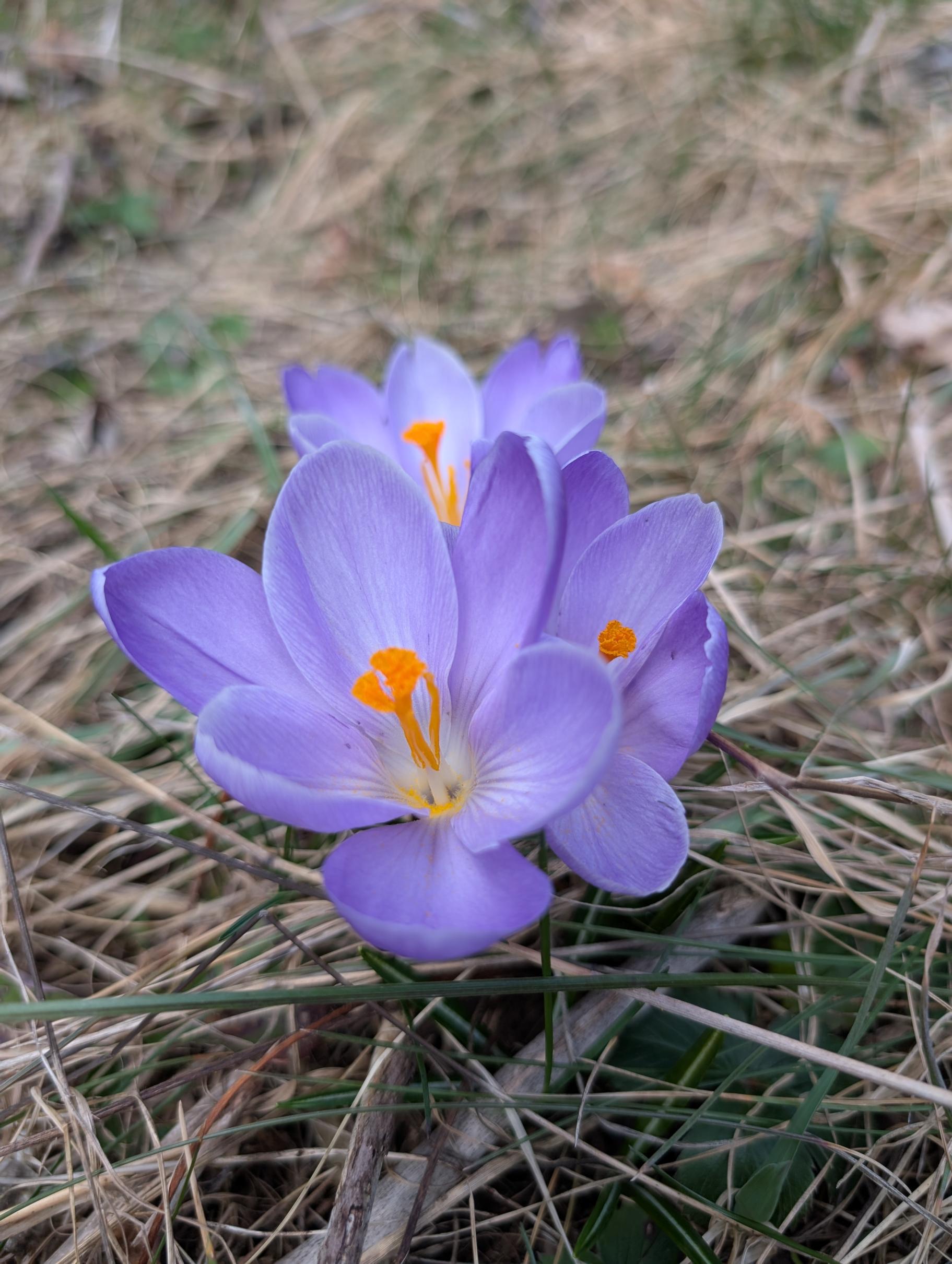
Maine in the springtime is a place of fleeting, incandescent beauty and gathering daylight, and so it’s probably no surprise to anyone who knows me a bit that I spent the majority of my sabbatical outside in the garden and tending to the land I live on. There was a lot of transplanting, dividing, planting, seeding, babying, and sitting in gentle wonder. I planted several new beds, turned my compost, tended trails from my back door to the brook, pruned, studied the wetland, built fences out of fallen wood, tracked my animal neighbors and marveled at their habits, and fed young spring greens to myself, my friends, and my bunnies.

I’m also happy to share that I spent many late nights helping salamanders and other local slimy friends on their vernal journeys across rainy rural streets in the wee hours—a particularly beloved late-spring activity. Much of my time work was slow and languid, resetting my nervous system and re-aligning me with the rhythms where I am rooted. Some days I would come inside at the end of a long, warm day among the plants and not even understand how I’d spent the last 11 hours, but I felt accomplished and centered and happy.
It was also a time of social, creative, and domestic care. I deep cleaned my house, meal prepped like my health depended on it, said “yes” to every ask that came my way from a community member or friend (which meant showing up for potlucks, contributing to creative salons, helping people move, organizing a clothing swap, setting up for events, helping people prepare their own gardens, socializing lambs and goats, and more). I did not set a single alarm for three months, read 39 audiobooks and several others on paper, read my poems aloud several times at events, attended regional Pride events, wrote a lot, and learned that I used my computer for less than 20 hours during those 12 weeks! More than half of that was scheduled time with my weekly writing group. That was especially liberating.
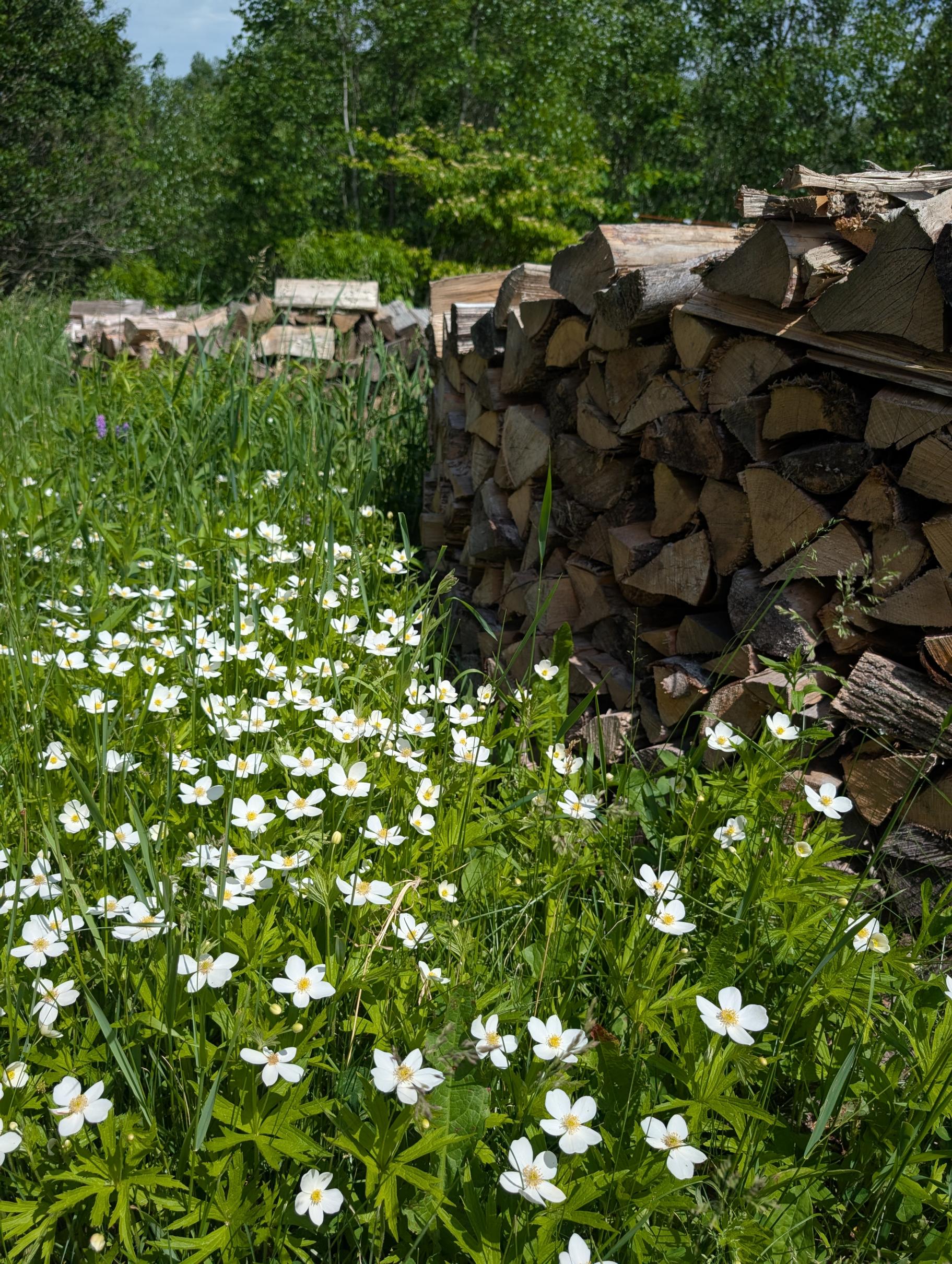
To me, the time felt tremendously well-spent. It was creatively and socially engaging, generative, connective, and restorative. I also learned a great many things I have not had the opportunity to learn about myself and my natural rhythms when I lead a life with few time-rigid demands, and I had a lot of space to reflect and integrate those experiences.
Some of this has returned to work with me. While my sabbatical was in service to my own well-being and joy, I learned things that support me to better do the work we do. I know what times of day I do the best and most focused work. I know my natural sleep schedule for the first time in my entire life, and I understand how that impacts my neurology. Importantly, I learned that I had been experiencing burnout but hadn’t been consciously aware of that— I became aware through the process of beginning to recover from it, and so I took that recovery seriously and developed systems and boundaries to help prevent it from creeping back.
I had so much time to reflect on Switzer and experience deep and lasting gratitude for the culture we have built, where everyone’s voice and experiences are important, where the pacing is slow, consistent, and purposeful, where we have the flexibility we need to achieve our goals and responsibilities with intention and care, where we have a transparent culture of curiosity, advocacy, and aid, and where we are invested in one another’s well-being as humans. This is a precious culture, and especially important to protect and cultivate during times of transition and change.

Sliding into burnout meant I had been in survival mode for at least a couple of years, triaging my own workload day by day, without a lot of room to build solid scaffolding or intentionally approach my work on a larger scale and in full context. The rest and repair that came from a break of moderate length and largely on my own terms has allowed me to re-engage with our work from very resourced footing. I am so glad to be back, and glad to return to an environment that stewards the values we share into the world.
The Switzer team has a practice of transparency about our policies and practices. Part of the reason we do that is to provide some preliminary blueprints for how policies can look and work when developed from the values in which they are rooted, as a way to contribute to a knowledge base for peer organizations and our network in general.

To that end, I believe it is worth saying that a sabbatical policy that includes every employee, is long enough to truly allow disconnection and rest, and is supported and encouraged culturally and practically by the whole team, can go an astonishingly long way towards an organization’s stability and longevity. Rest of this nature is necessary to reset, maintain momentum, offer perspective, and encourage reflection. It’s necessary to retain staff and to support them as whole people. It leads to better documentation, cross-training, renewed energy, and better work. It also leads to a better life.
The practical benefits of my sabbatical ripple through my whole community as bonds are strengthened, work gets done and reciprocity and resiliency are built and deepened, and it ripples through the land as native plants flourish, seeds strewn and roots watered, salamanders safely back underground having missed a truck’s front tires. The resonance is still in me as I sit at my desk several weeks later, still getting used to how it feels to have increased capacity, energy, happiness, and focus, with new room to imagine and reach forward towards the future of Switzer.