Sarfaty Epstein on job-searching, networking and confidence
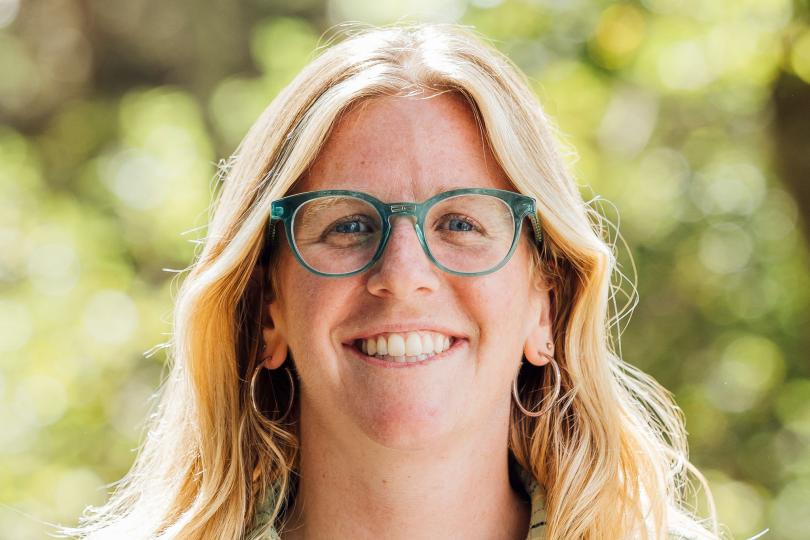
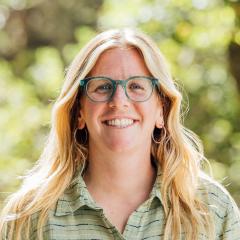
Sarah Sarfaty Epstein is a 2025 Switzer Fellow, recent graduate of UC Berkeley and Senior Project Manager for Groundwater Initiatives at the California Water Data Consortium. As she wrapped up her Masters degree during her Switzer Fellowship year, she leveraged the Switzer Network to find clarity and confidence while networking and job-hunting. In this story, Sarah shares her experience, tips and lessons learned.
Tell us briefly about what you were doing for graduate school and what your work is now.
In the Energy and Resources Group at UC Berkeley, I was completing an interdisciplinary masters program focused on climate resilience in California agriculture. While in school, I worked at the Berkeley Food Institute launching a cross-departmental research initiative on agrivoltaics. Through this opportunity, I was able to arrive at a thesis topic that blended this work in agrivoltaics with my interest in the role of groundwater management in shaping California’s land-use future. My work now is at the California Water Data Consortium, where I am the Senior Project Manager for Groundwater Initiatives. I feel lucky that I get to continue thinking about groundwater, resiliency and land use in this current role.
What’s something that excites you about this new job?
I have always been interested in how things are connected, and although it may not seem like it, groundwater is this really interesting connection point. In our state, it relates to climate resiliency, land use, rural livelihoods, ecosystems and our food system. I am really excited about being in a role where I get to think about improving all aspects of the environment and society that groundwater is connected to by improving the way we track, account for, monitor and model groundwater.
What do you think was the most helpful thing you did while job searching?
I think the most helpful thing I did while job searching was ask for help. I got help keeping an eye out for postings, reviewing cover letters and negotiating an offer. Job searching is truly a grind and feeling supported makes a big difference. I’d encourage anyone in the midst of the grind to brainstorm creatively about who they might be able to ask for help from. It might look like different people for different things. The Switzer network is a great place to start! And, if you want, you can email me!
What was a hard thing about looking for a job at this current moment?
It is a really hard moment to be looking for work. There are so many qualified, wonderful professionals in the field seeking opportunities at the same time as organizations are slimming down. I think we all know that and it makes it hard to remain optimistic about your possibilities. In some cases, acknowledging how tough the current circumstances are can be helpful - this job market is outside of our control and has nothing to do with how deserving we are of employment!
You had some skepticism about “networking” in the conventional sense - what approach did you take to networking? Did you approach networking differently than you had seen it portrayed?
Being in communication with folks is undoubtedly helpful in job searching, but I think I found the common advice of ‘talk to as many people as you can’ to be confusing. I felt nervous to talk to people when I didn’t know what I was supposed to be talking to them about. Eventually, I understood that you should find a way to share about your background and interests in these conversations. So many people, especially in the Switzer network, are very generous with their time, but it is hard for anyone to be useful if they don’t know much about what you are looking for. I found that conversations where I only asked questions and wasn’t prepared to share about my skillset and interests didn’t feel as useful. So, I know for some of us it is scary to talk about ourselves, but this is my nudge to do it!
How [else] did the Switzer Network support you as you were job searching and negotiating?
The Switzer network, in particular Sarah Reed, was really helpful in my job search. While I was applying for jobs, Sarah helped me talk through an approach to think ahead of what were the qualities in an opportunity that I was looking for to help avoid decision fatigue in deciding ‘should I spend time applying to this’ with every job opening I saw. And, after I received a job offer, Sarah really helped normalize that the negotiation step is a point in the process that people expect during hiring. Sarah reminded me that individuals socialized as women tend to have a lot of baggage around coming across as ‘needy’ in the work place, and she helped me see that my goal of crafting a job that I could stay in for the long-term served both me and the organization. I would not have been nearly as confident to ask for what I wanted without Sarah’s guidance and encouragement.
Any more advice you would offer to other fellows looking for work out of graduate school?
Knowing people always helps, but knowing people requires genuine relationship. To me, I think that makes networking more about quality than quantity. I don’t think you need to talk to as many people as you can, but rather make sure that when you are talking with people, you are building genuine connection and they come away knowing more about you. You got this!